Understanding the Texas Freeze Risk
Here in Texas, we know our weather can be a bit unpredictable. One day it's seventy degrees, the next we're facing a hard freeze. While our winters are generally mild, those sudden drops in temperature can wreak havoc on your home's plumbing. Unlike colder climates where homes are built with deeply buried pipes and extensive insulation, many Texas homes, especially older ones, weren't designed to withstand prolonged freezing conditions. This means exposed pipes, both inside and outside your home, are vulnerable to freezing and bursting, leading to significant water damage and expensive repairs.
The issue isn't just the cold, but the rapid temperature swings. When water freezes, it expands. This expansion puts immense pressure on your pipes, and even the toughest copper or PEX lines can eventually burst. Knowing which pipes are most at risk, like those in unheated garages, crawl spaces, or along exterior walls, is the first step in effective prevention.
Essential Steps to Prepare Your Outdoor Plumbing
Your outdoor plumbing is often the first to feel the chill. Disconnecting garden hoses is critical. Leaving them attached can trap water in the hose and spigot, which will freeze and expand, potentially damaging the faucet and the pipe it connects to. Once hoses are off, drain any remaining water from the spigots. Many outdoor faucets, known as sillcocks, are freeze-resistant, but they still need protection in extreme cold.
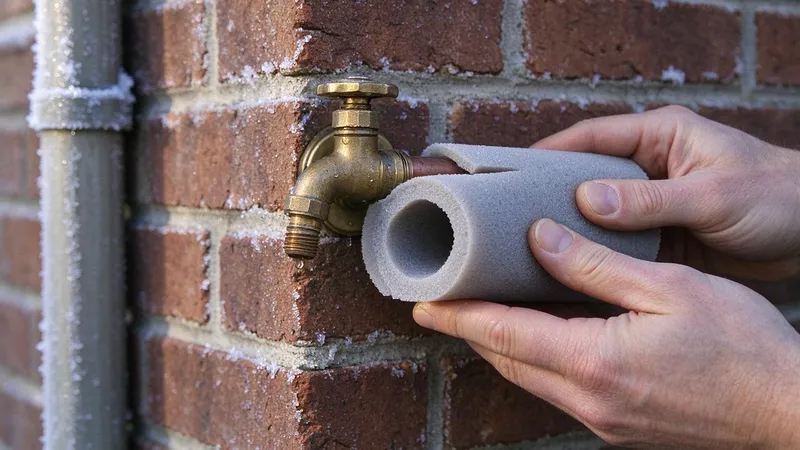
Consider insulating your outdoor spigots with foam covers, readily available at any hardware store. These simple covers can make a big difference. For irrigation systems, it's vital to have them properly winterized. This usually involves blowing out the lines with an air compressor to remove all water. If you're not comfortable doing this yourself, a landscaping or irrigation specialist can handle it for you. Neglecting your sprinkler system can lead to costly repairs when spring rolls around.
Protecting Interior and Exposed Pipes
Inside your home, focus on pipes that run along exterior walls, in unheated basements, or in attics. These are prime candidates for freezing. One of the simplest and most effective methods is to insulate these pipes. Foam pipe insulation sleeves are inexpensive and easy to install. Just cut them to size and secure them around the pipes. For pipes in crawl spaces or attics, ensure any access points are sealed to prevent cold air from circulating.
During a hard freeze, it's also a good idea to open cabinet doors under sinks on exterior walls. This allows warmer indoor air to circulate around the pipes, helping to prevent freezing. For really extreme cold, a slow drip from your faucets, especially those on exterior walls, can keep water moving through the pipes, significantly reducing the risk of freezing. Just a trickle is enough to prevent pressure buildup.
- Insulate exposed pipes: Use foam pipe insulation sleeves for pipes in unheated areas.
- Disconnect and drain hoses: Remove all garden hoses and drain outdoor spigots.
- Cover outdoor faucets: Install foam covers on all exterior hose bibs.
- Open cabinet doors: Allow warm air to reach pipes under sinks on exterior walls.
- Drip faucets: During extreme cold, a slow drip keeps water flowing and prevents freezing.
- Seal air leaks: Caulk or weatherstrip around windows, doors, and foundation cracks to keep cold air out.
When to Call a Professional
Sometimes, despite your best efforts, you might still encounter a frozen pipe. If you suspect a pipe is frozen, or if you've already experienced a burst pipe, it's crucial to act quickly. A small leak can quickly turn into a major flood, causing extensive damage to your home's structure, flooring, and personal belongings. If you discover a frozen pipe, you can try to thaw it gently with a hairdryer or heat lamp, but never use an open flame.
However, if you can't locate the frozen section, or if a pipe has burst, it's time to call in the experts. DFJ Plumbing is ready to help across Texas. Our licensed plumbers have the tools and experience to quickly locate frozen sections, safely thaw pipes, and repair or replace burst lines. Don't hesitate to call us at (737) 405-5978 for emergency service. We understand the urgency of these situations and are committed to restoring your plumbing quickly and efficiently.
Preventative Maintenance and Inspections
Beyond immediate freeze preparations, consider a professional plumbing inspection. A DFJ Plumbing plumber can identify vulnerable pipes, recommend permanent insulation solutions, and check for any existing issues that could worsen during a freeze. This proactive approach can save you from the stress and expense of emergency repairs when the next cold snap hits.
Need a licensed plumber in Texas?
DFJ Plumbing answers 24/7 and offers same-day service across Texas.