Understanding Your Drain Clogs
Here in Texas, our plumbing systems face unique challenges. From the expansive clay soils that can shift pipes, to hard water that encourages mineral buildup, and even the occasional tree root intrusion from our mature oaks and pecans, clogs are a fact of life. When your sink won't drain or your toilet backs up, it's more than an inconvenience, it's a sign that something is obstructing your pipes. Before we dive into the solutions, it's important to understand that not all clogs are created equal. A simple hairball is very different from years of grease buildup or a stubborn tree root.
Ignoring persistent clogs can lead to bigger problems down the line, including pipe damage, leaks, and even sewage backups that are costly to repair and messy to clean. That's why choosing the right drain cleaning method is crucial for the longevity of your home's plumbing. Two of the most effective methods we use are traditional snaking and advanced hydro jetting. Each has its strengths, and knowing when to use which can make all the difference for your Texas home.
The Basics of Drain Snaking
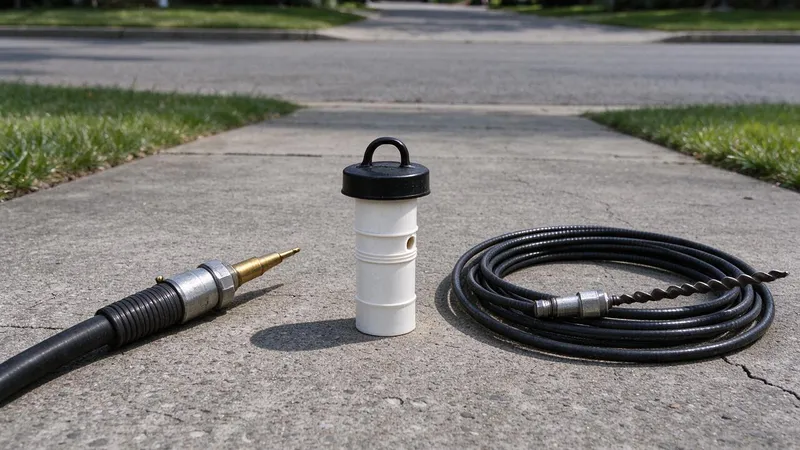
Drain snaking, also known as augering, is a time-tested method for clearing clogs. It involves using a long, flexible cable, often with a cutting head attached, that is fed into the drainpipe. The plumber operates the snake, rotating it to break apart or retrieve obstructions. This method is particularly effective for mechanical clogs, like hair, soap scum, small toys, or even minor root intrusions closer to the drain opening. Most residential snakes can reach up to 50 to 100 feet into the pipe, depending on the machine.
For many homeowners, snaking is the first line of defense against common household clogs. It's relatively quick and can effectively clear localized blockages without causing harm to properly installed pipes. However, snaking primarily punches a hole through the clog, allowing water to flow again, but it doesn't always clean the entire pipe wall. This means that if you have significant buildup of grease, scale, or sludge, the clog might return sooner than you'd like, especially in older homes with cast iron pipes that tend to accumulate more debris.
What is Hydro Jetting and How Does It Work?
Hydro jetting is a more powerful and comprehensive drain cleaning solution. Instead of just breaking up a clog, hydro jetting uses highly pressurized water, often exceeding 4,000 PSI, to scour the inside of your pipes. A specialized nozzle is attached to a hose, which is then fed into the drain. As the nozzle moves through the pipe, it sprays water at a high velocity in all directions, effectively blasting away grease, mineral buildup, scale, sludge, and even stubborn tree roots. It's like power washing the inside of your plumbing system.
This method is particularly effective for severe clogs and for preventative maintenance, especially in commercial settings or homes with chronic drain issues. Because it cleans the entire circumference of the pipe, hydro jetting leaves the pipes much cleaner than snaking, significantly reducing the chances of a recurring clog. It's ideal for larger diameter pipes and main sewer lines where extensive buildup is common. Our hard water in many parts of Texas can contribute to significant scale buildup, making hydro jetting a very valuable tool for maintaining clear pipes.
Hydro Jetting vs. Snaking: Choosing the Right Method
So, which method is right for your home? The answer depends on the nature and severity of your clog, as well as the condition of your pipes.
- For simple, localized clogs: A drain snake is often sufficient. Think a slow-draining bathroom sink from hair and soap scum. It's less invasive and typically less expensive for these minor issues.
- For recurring clogs or heavy buildup: Hydro jetting is usually the better long-term solution. If you've snaked a drain multiple times and the clog keeps coming back, or if you suspect years of grease, scale, or roots, hydro jetting will provide a more thorough cleaning.
- For main sewer line issues: Hydro jetting is generally preferred, especially when dealing with extensive root intrusion or significant sludge accumulation in larger pipes.
- Pipe condition: Before hydro jetting, especially in older homes, a camera inspection is often recommended. While hydro jetting is safe for most modern plumbing, it can damage very old, corroded, or fragile pipes. Snaking is generally safer for these more delicate systems.
The cost difference can also be a factor. Snaking typically ranges from $150 to $400, depending on the complexity. Hydro jetting, due to its specialized equipment and thoroughness, usually costs between $350 and $800, and sometimes more for extensive main line work. However, investing in hydro jetting can save you money in the long run by preventing future, more severe plumbing emergencies.
When to Call a Professional
While some minor clogs can be tackled with a plunger, persistent or severe drain issues require professional attention. Attempting to clear a tough clog yourself with harsh chemical drain cleaners can actually damage your pipes and create a hazardous situation. A professional plumber from DFJ Plumbing has the right tools, expertise, and diagnostic equipment, like drain cameras, to accurately assess your clog and recommend the most effective and safest solution. Don't let a small clog turn into a major plumbing disaster. If you're experiencing slow drains, foul odors, or frequent backups, it's time to call in the experts. Reach out to DFJ Plumbing today at (737) 405-5978 for reliable drain cleaning services across TX.
Need a licensed plumber in Texas?
DFJ Plumbing answers 24/7 and offers same-day service across Texas.